
When I am Dead, My Dearest
READ... WRITE... REPEAT...

I was looking at a funeral home website and found this poem:
When I am Dead, My Dearest
Sing no sad songs for me;
Plant thou no roses at my head
Nor shady cypress tree:
Be the green grass above me
With showers and dewdrops wet;
And if thou wilt, remember,
And if thou wilt, forget.
I shall not see the shadows,
I shall not feel the rain;
I shall not hear the nightingale
Sing on, as if in pain:
And dreaming through the twilight
That doth not rise or set,
Haply I may remember,
And haply may forget.
— Christina Rossetti
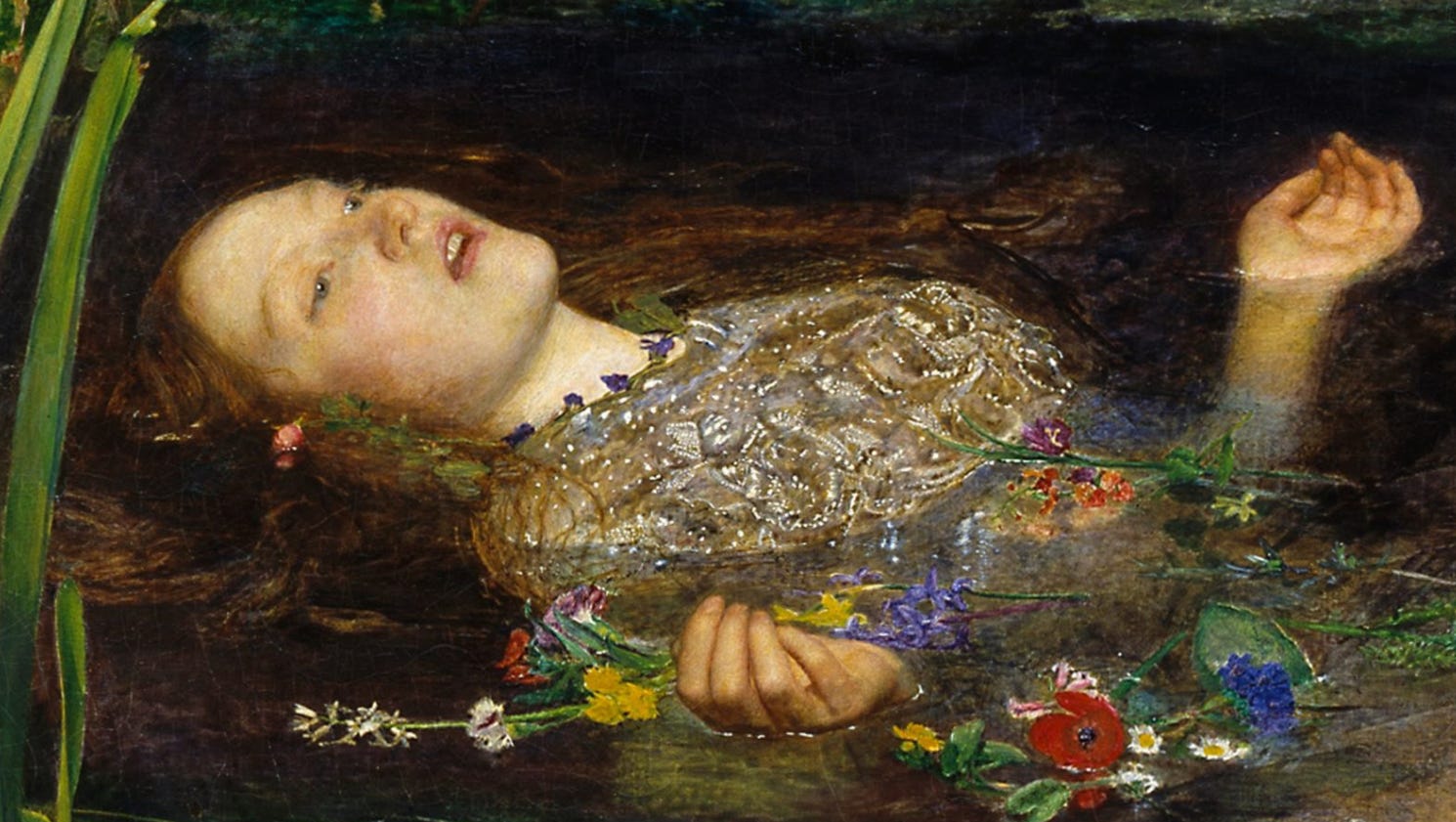
I thought it was a somewhat recent poem, but Christina Rossetti was born in 1830.
She wrote this lyric at just 18 years of age. It was first published in 1862 in her collection Goblin Market and Other Poems.
Christina Rossetti (1830–1894) was one of the foremost Victorian poets. Literary talent ran in the family. Her brother Dante Gabriel Rossetti was a central figure in the Pre-Raphaelite movement. Both were raised in a British setting where Italian was their first language.
Her writing was influenced by her devotion to the Anglo-Catholic faith. Deeply spiritual, she declined two marriage proposals and openly renounced earthly love and worldly pleasure.
She may have avoided temporal love , but she could express it in endearing words.
The above poem itself addresses a loved one. Maybe one of the men she spurned. Don’t mourn too hard for me when I’m gone, she advises. And even gives permission for her beloved to move on and continue living. Rossetti releases the lover from all obligation. No prescribed grief, no demanded loyalty.
“And if thou wilt, remember, / And if thou wilt, forget.”
I am not much into poetry, but the cadence and meaning of this line hits an emotional tone with me. As if, the deceased is speaking directly to you from the casket or grave: it’s okay. Move on.
The mention of cypress trees is also significant for me. I was reading a book about trees while visiting Istanbul a few years ago. Each tree had a page or two about their origins and meanings. The cypress tree represents death and are often planted in cemeteries.
In the second stanza, the author imagines herself in a kind of purgatory — not heaven, not quite oblivion — dreaming through the twilight / That doth not rise or set.
She may herself remember or forget.
Haply I may remember, and haply may forget.
The poem is perfectly balanced — she offers the beloved the same uncertain freedom she anticipates for herself. I have recited this plain-spoken poem several times. It seems more like a quiet song; a ballad.
For a poem written by a teenager, it’s remarkably perceptive about death, remembrance and renunciation. It also softly nudges all of us who mourn: grief has a season. And then both the living and departed are released.